

The art of poisoning – The National Archives
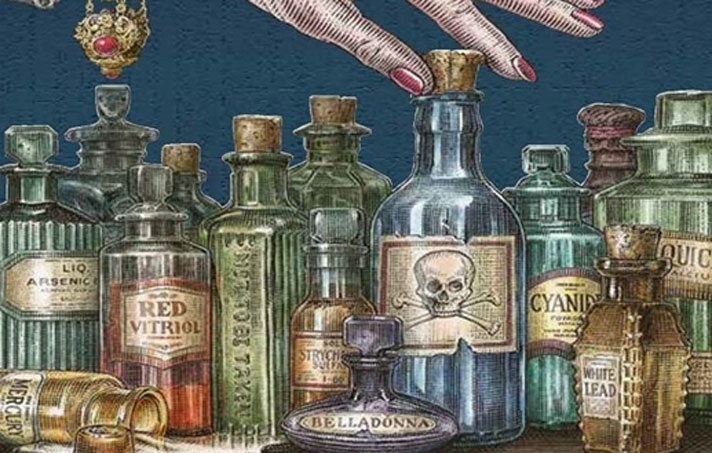
The art of poisoning. Arsenic. Strychnine. Cyanide. Poison was the weapon of choice during the Victorian era, when science wasn’t as advanced as it is today in detecting traces of chemicals. Serial murderers such as Dr Crippen and Mary Ann Cotton were finally caught, but others got away with killing off unwanted wives, rivals, employers or lovers. The National Archives bookshop is a great place to delve into a little true crime, with books on the poisoning in the court of James I, or Lucy Worsley’s A Very British Murder, where she looks at how the British have taken an almost ghoulish pleasure in a good poisoning – often seeing real life murderers as celebrities unlike violent killers.
The National Archives is an institution tasked with preserving and providing access to the historical records of a nation. It serves as the custodian of significant documents, ranging from governmental papers to personal diaries, maps, photographs, and more.
These archives hold immense value for researchers, historians, policymakers, and the public, offering insights into the past, shaping the present, and informing the future. Within its walls, one can find the founding documents of a nation, records of key events, and the stories of its people.
The National Archives play a crucial role in maintaining transparency, accountability, and the democratic process by ensuring that these records are available for examination by all. Through careful curation, digitization efforts, and educational programs, they facilitate understanding and appreciation of a nation’s history, fostering a connection between past and present generations.
Find other local news stories here.
(Image: From the front cover of The Royal Art of Poison: Fatal Cosmetics, Deadly Medicines and Murder by Eleanor Herman, published by Duckworth, sold at The National Archives)