

Menopause: Empowering women to recognise and manage symptoms
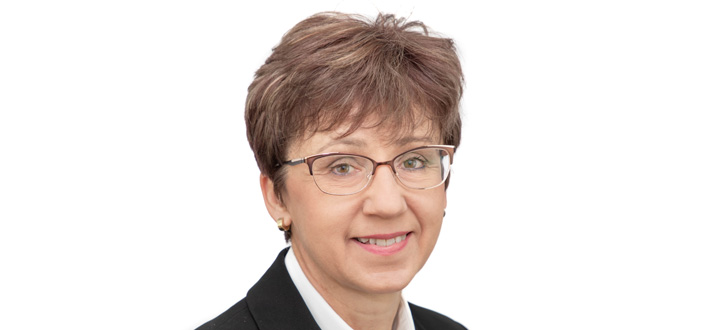 The menopause refers to when a woman stops having periods and is no longer able to get pregnant naturally. While this is commonly known, many questions remain – when can women expect to go through it, what are the symptoms and can HRT help? Dr Dorota Urbaniak, Private GP at Parkside Private Hospital, takes a closer look.
What is the difference between menopause and perimenopause?
The menopause refers to the last period while ‘perimenopause’ is a term used to describe the time before menopause, which can last for months or even years. The average age of menopause in the UK is 51 years – however menopause symptoms can start as early as age 45.
How will I know I am going through the menopause?
Menopause symptoms may not be obvious at the beginning. During perimenopause the levels of hormones, in particular estrogen, start to fluctuate. This imbalance of hormones may result in irregular periods and cause hot flushes and night sweats. However long before periods become irregular, women may experience more subtle symptoms including tiredness, irritability, vaginal dryness, and bladder issues.
Should I consider hormone replacement therapy (HRT)?
Any woman who experiences troublesome menopausal symptoms should consider HRT. For most women, the benefits of HRT outweigh any risks. HRT is the most effective treatment for ‘vasomotor symptoms’ – hot flushes and night sweats are usually improved within four weeks and maximum benefit is gained by three months. HRT can also improve sleep, muscle aches and pains as well as general quality of life in symptomatic women.
Does HRT increase the risk of breast cancer?
The data regarding the true effect of HRT on the incidence of breast cancer are still contentious. Combined HRT increases the risk of breast cancer, however the absolute risk is small at around one extra case of breast cancer per 1,000 women each year. Every woman on HRT is recommended to have regular mammograms while taking HRT and there is no increased risk of dying from breast cancer as a result of taking HRT. Interestingly, drinking two to three units of alcohol daily or being overweight increases the risk of breast cancer in a similar way.
More information
You can book an appointment with Dr Dorota Urbaniak, Private GP at Parkside Private Hospital by calling 020 3925 9432 or emailing gpsurgery@parkside-hospital.co.uk. Treatments are open to medically insured patients and self-paying patients.
parkside-hospital.co.uk
Find more local businesses here.