

The last thing you want when you’re enjoying a week or two of relaxation or adventure is an injury or illness. And what happens when we leave the EU? Alison Runham finds out
First aid kit and prescription
A simple idea, but so necessary! The NHS recommends a first aid kit should contain antiseptic, painkillers, wound-cleaning gauze, sterile dressings, bandage tape, plasters, tweezers, scissors, thermometer, antihistamines, sunburn treatment, insect repellent, insect bite treatment and your usual medications, plus condoms and any contraceptives you may need.
A copy of your prescriptionmay be necessary in emergencies or in countries with differing regulations.
Beware heatstroke
Heatstroke starts with heat exhaustion and symptoms include headache, dizziness, nausea, confusion, appetite loss, excessive sweating, pale clammy skin, cramps in the arms, legs and stomach, fast breathing or pulse, a temperature of 37C or above and intense thirst.
If you think someone is suffering from heatstroke, lay them down in the shade and raise their feet. Remove unnecessary clothing and give them cold drinks. If they’re no better after 30 minutes or they feel hot and dry, have a temperature of 40°C or above, are breathless/ breathing rapidly or seem confused, call the emergency services. To avoid heatstroke, stay hydrated, keep your head covered and rest in the shade when the sun’s hottest.
Beware of sunburn
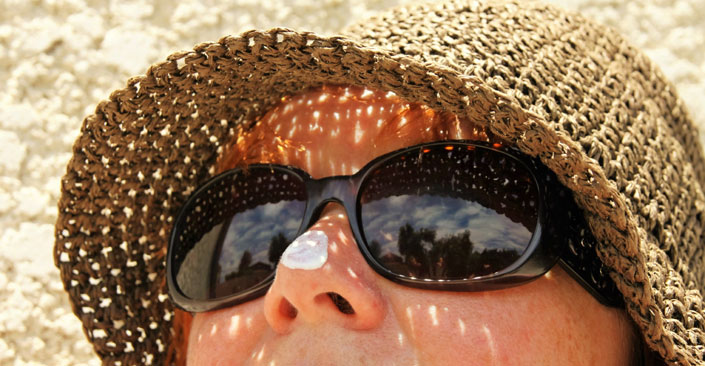
By now, we should all be aware of their link to skin cancer. If children are repeatedly exposed, they could develop skin cancer in later life.
- Seek shade when the sun is strongest.
- Cover your skin (remember fabrics allow UV light through to varying extents).
- Choose sunscreen with a UVA rating of at least 4 stars and a UVB rating (indicated by the SPF) of at least 30 (50+ for children).
- Apply sunscreen liberally and frequently. Apply at least two teaspoons of sunscreen to cover your head, arms and neck and two tablespoons to cover your entire body. It is best applied 30 minutes before going out and just before going out. ‘More is better,’ says the British Association of Dermatologists (BAD), who recommend applying it at least every two hours afterwards.
- Water can make you feel artificially cool, and the BAD warns that water and sand can increase the sun’s radiation. Apply sunscreen straight after you leave the water, even if it’s water-resistant. It will have been compromised by sweating and towel drying.
- Don’t use expired sunscreen.
- Keep children under 6 months out of strong sunlight completely.
Take extra care if you have pale skin, freckles, red or fair hair, many), skin problems relating to a medical condition, a family history of skin cancer or a tendency to burn rather than tan, and if you’re are in a hot country with intense sun, or only exposed to intense sun occasionally (e.g. on holiday).
Sunburnt? Apply plenty of cold water as soon as possible, then a soothing product like aftersun or calamine lotion. An antiseptic cream that contains local anaesthetic, plus painkillers such as ibuprofen, can help. if you feel unwell or your skin swells badly or blisters, seek medical help. Avoid the sun until all redness has gone.
Protect your eyes
UV light damages eyes too. Adults and children should always wear sunglasses that protect against both UVA and UVB and have the CE Mark and European Standard EN 1836:2005.
Going to Europe? Apply for an EHIC card
An EHIC (European Health Insurance Card) gives you the right to medical healthcare during a temporary stay in another European Economic Area (EEA) country or Switzerland. Treatment is often free of charge, and if not, at reduced cost.
The Government advises that in-date UK-issued EHIC cards will be valid until 31st October.
But then what? They say: ‘If the UK leaves the EU without a deal on 31st October, your access to healthcare when visiting an EU country is likely to change. ‘If you are planning to visit on or after 31st October, you should continue to buy travel insurance so you can get the healthcare treatment you need, just as you would if visiting a non-EU country.’
Going somewhere exotic?
Visit fitfortravel.nhs.uk at least eight weeks before departure for specific precautions for your destination, including vaccination and malaria information. Check the local tap water is safe to drink.
Find more health articles
.