

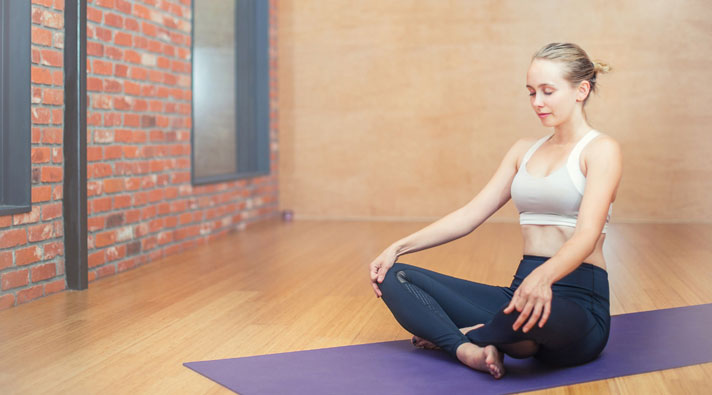
AND BREATHE…
The benefits of breathwork for the body
Breathing is something that comes so naturally, we barely even think about it. It’s estimated that the average person inhales and exhales between 17,000 and 24,000 times every day – an action that’s controlled subconsciously by the respiratory centre at the base of the brain. However, while we’re all aware of the importance of breathing for sustaining life, the health and well-being benefits of deliberate breath control are often overlooked. From managing anxiety and elevating mood to improving sleep and balancing blood pressure, the long-term results can be profound.
The act of breathing brings oxygen into your body, so the way we breathe directly affects how much oxygen our cells receive. For example, when we deepen our breath from its usual shallow pattern, we allow more oxygen to enter each cell, therefore allowing better communication between cells. When we experience stress, however, our breath tends to become fast and shallow, which limits the oxygen entering our bloodstream. This triggers our body’s sympathetic nervous system, which is responsible for the ‘fight or flight’ response. In this way, what starts as rapid breathing can stimulate other symptoms such as a racing heart, high blood pressure, anxiety and even panic attacks.
The benefits of breath control
Breathwork is having a moment in the spotlight right now, but it’s not a new concept. In fact, people have been reaping the benefits of breathwork for thousands of years, thanks to its roots in yoga and meditation practice. So, how can breathwork help you and what techniques can you use? In a nutshell, slowing down and engaging in deep breathing counters the sympathetic nervous system, relieving feelings of stress and bringing balance back to your body. Effects vary from person to person, but some of the specific physical and emotional health benefits of breathwork can include:
- Balanced blood pressure
- Improved sleep
- Stronger respiratory function
- Better immune system
- Release of stress hormones from your body
- Reduction in feelings of depression and anxiety
- Improved mental focus
Breathing techniques to try
Nasal breathing sits at the core of controlled breathwork. After all, it’s generally deemed to be healthier than breathing through your mouth. This is because our nasal passages are designed to filter, humidify and warm the air we breathe before it reaches the lungs. Breathing through the nose also boosts the production of nitric oxide, a molecule that plays a crucial role in expanding blood vessels, increasing oxygen uptake and enhancing overall cardiovascular function.
Within this breathing style, there are a range of different techniques to try. Remember, as with any other skill, breath control gets easier the more you practice. To get you started, here are a few techniques that you can give a go, right now:
Deep abdominal breathing This technique uses a long, deep breath. Sit or lie down comfortably, placing one hand on your chest and the other on your abdomen. Inhale deeply through your nose, allowing your diaphragm to expand and your abdomen to rise, before exhaling slowly through pursed lips. Practising this daily can help regulate the breath and activate the relaxation response.
4-7-8 breathing This technique uses counting to quieten and focus your mind. Breathe in for four beats, hold your breath for seven beats, and then exhale for eight beats to completely empty your lungs.
Alternate nostril breathing (Nadi Shodhana) This technique involves breathing with one nostril while holding the other closed, then swapping sides. Sit comfortably with your spine straight and use your thumb to apply pressure to your right nostril. Breathe in using only your left nostril and hold your breath as you switch sides. Swap your thumb over to start applying pressure to the left nostril as you exhale through the right nostril. Pause, take another deep breath in, and then alternate again.
Box, or square, breathing This technique involves four steps, each lasting four seconds. Inhale, hold your breath, exhale, then hold your breath again and repeat.
It’s important to remember that while breathwork has numerous benefits, both physical and therapeutic, it won’t eliminate anxiety or health conditions completely. However, many people find that it’s a low-risk, low-cost way to aid relaxation, cope with stress and improve sleep.
Find other Health articles here.