

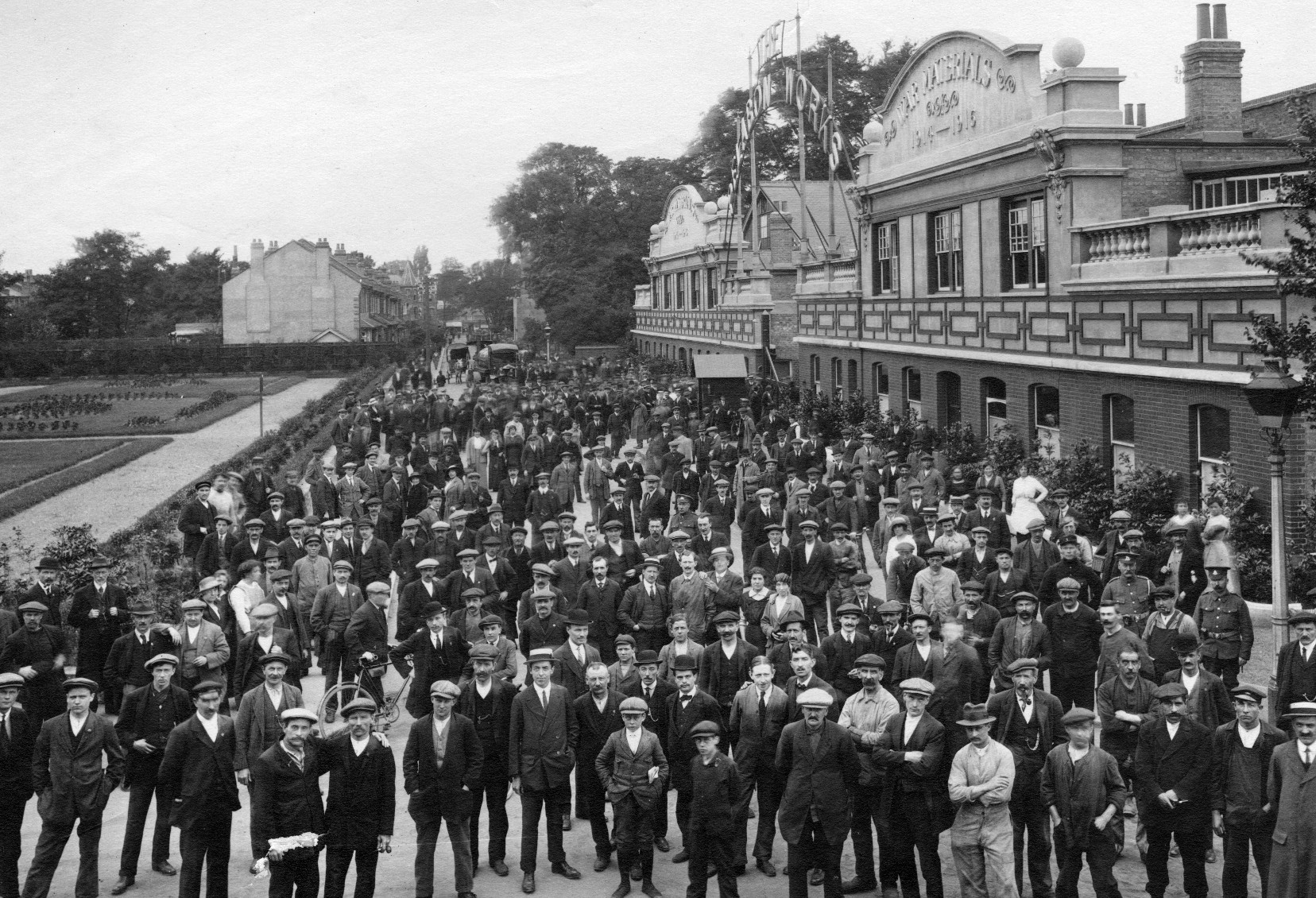
East Twickenham: the Belgian village on the Thames
It’s hard to believe now, but between 1915 and 1919 there were nearly 6,000 Belgians living in East Twickenham and the surrounding areas, with their own community of shops, doctors, activities and church services
During the First World War and the invasion by Germany, thousands of Belgians fled their native land and came to England as refugees. Many came to East Twickenham, attracted by jobs at the enormous Pelabon Munitions Works. Charles Pelabon, a Franco-Belgian engineer needed both skilled and unskilled workers, and the work paid well compared with other available jobs.
The works employed nearly 2,000 mostly Belgian workers who, with their families, brought their population to nearly 6,000. From their East Twickenham and Richmond centre, they spread across Kew, Twickenham and St Margarets. The Works horrified the refined locals with smoking chimneys and shuddering noises. It was tolerated because it supplied our Belgian allies with shells, guns and grenades. It expanded to five large buildings, the last of which was where the Richmond Ice Rink used to be and is now part of the Richmond Bridge estate. The Belgians were shocked to find the factory employed women for lighter jobs. Some assembled fuses, their skin turning yellow from TNT, giving them the name Canary Girls. The men included wounded ex-soldiers, with active solders for quality control.
There had been massive suburban development across the area between c.1900-1913, building the distinctive red-brick houses. But many developers over-extended themselves and went bust, which meant there was plenty of vacant accommodation for the newcomers to move into. At this point, the local population changed from predominantly upper or middle class to working class. There were often tensions between the English and Belgians.
The Belgians wanted to continue their own way of life and built a replica Belgian community with their own row of shops on Richmond Road. There were butchers, grocers, costumiers, milliners, tobacconists and jewellers. Employees could live their whole lives around the factory, with clubs ranging from gymnastics to choir and orchestra. Bosses socialised at the elite Pelabon Club (on the first floor of what is now the Ivy Café).
Decidedly Catholic, Belgians enjoyed church services from Belgian priests attached to St James’ Church, Twickenham and St Elizabeth of Portugal on Richmond Hill. The annual procession of small girls in white dresses from Richmond riverside to the church for First Communion charmed even the English.
The Belgians finally ‘vanished like the melting show, leaving not a trace behind’ and were all but forgotten. Re-discovered in 2010, their riverside memorial in Warren Gardens beside the long-gone factory was set up by East Twickenham residents.
Dr Helen Baker
Find more local history stories here.