

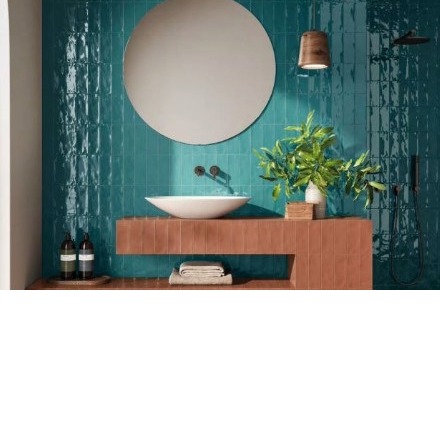
Feelgood interiors: texture
Texture is the new luxury. Introduce materials that invite touch and bring comfort, variety and quiet richness to your home, writes Katherine Sorrell
Have you ever stopped to consider how a room feels? While colour and pattern are often the first elements we notice, textural balance plays an equally important role. In 2026, interiors are moving towards greater sensory richness, blending the natural, the hand-crafted and the gently worn with the sleek precision of finely finished, contemporary materials. These textural contrasts bring a room to life and help a home feel both welcoming and calm in an increasingly fast-paced world.
Use neutrals and naturals
In an interiors scheme that focuses on the inherent appeal of a variety of textures, bright colours and bold patterns are not necessary for visual interest. When you choose natural materials in gorgeous, neutral tones (think driftwood lamp bases, wicker chairs, terracotta ceramics or sheepskin throws), a soft, sophisticated palette will come together easily.
Create a textural foundation
Floors, walls, upholstery and window treatments form the base layers of a scheme, establishing its mood. Create a calm, coherent backdrop – what might be called the ‘quiet’ textures of a room – with features such as a polished timber floor, walls covered in a chalky matt paint or a subtly textured wallpaper, linen curtains and softly upholstered seating. The latest technology means that you can use materials that imitate wood, concrete, stone and marble for creative floors and walls.
Look down
The large surface area of a floor sets the scene for everything else in the room. Make a statement with tiles that can give the effect of terrazzo and, for added comfort, lay a deep-pile wool rug, which will offer plush warmth for bare feet, particularly effective when laid over hard surfaces. Carpet brings instant softness, while natural fibres such as sisal, coir and jute add a subtle irregularity and character.
Choose upholstery for comfortSeating fabrics need to strike a careful balance between softness and durability. Simple, woven fabrics have a relaxed feel, while velvet, chenille and leather introduce richer
tactile qualities. Layering cushions in complementary finishes – perhaps embroidery against plain weave, or velvet edged with satin – adds depth and interest.
Focus on wall finishes
Walls and woodwork offer further opportunities for textural layering. Most easily, this can be achieved through contrasting paint finishes: matt creates a softly restful backdrop, while gloss and eggshell reflect light and introduce gentle definition, even in the same colour. Lightly textured wallpaper, ceramic tiles or wood panelling are other ways to vary the textural elements.
Bring contrasting materials to life
Lighting plays a vital role. Carefully place floor and table lamps, uplighters or angled spotlights to highlight grain, weave and other delicate surface variations, and to reveal the subtle beauty of materials that might otherwise go unnoticed.
Introduce accessories
Simply layer in a range of differing materials, such as woven baskets, faceted glassware, pom-pom-trimmed cushions or waffle throws, to add a delightful sense of personality, informality and indulgence.
Find other Homes & Interiors features here.
Image: SW Tiles